The Federal Communications Commission's voluntary cybersecurity label for consumer connected devices is close to being finished. On Nov. 23, the FCC's Public Safety and Homeland Security Bureau published a Federal Register notice asking for comment on what the U.S. Cyber Trust Mark label will look like, what its online product registry will show, how often certifications must be renewed, and how certified products will be checked after they reach store shelves.
The notice (PS Docket No. 23-239, DA 26-1162) does not use the word "drone." Even so, the program's definition of an eligible product is broad enough that, in DroneXL's reading, a consumer camera drone flown from a phone app appears to fit. The program's exclusion rules also mean that DJI and Autel, the two Chinese manufacturers at the center of U.S. drone policy fights, cannot carry the mark. That combination makes the proceeding worth a close read by anyone building, buying or regulating small consumer drones.
What the FCC is asking
According to the Federal Register record, the Bureau wants comment on the design and placement of the FCC IoT Label, how the product registry displays information, certification renewal, post-market surveillance, and procedures for complaints, noncompliant products, and program administrators that withdraw or whose authority is terminated.
The Bureau's public notice starts from a label standard drafted by the program's Lead Administrator, which builds on the CTA-2120 label design and its QR code requirements. The proposed rule text also calls for registry information in both English and Spanish. The QR code is how the program works in practice: the physical label carries the mark, and scanning it takes the buyer to a registry page with the details.
The proposed rule text sets out several specifics:
- The label may be no smaller than 1 inch by 2 inches.
- Grantees must renew certification every three years and apply at least 90 calendar days before it expires.
- Cybersecurity Labeling Administrators (CLAs) must finish a renewal evaluation within 90 days.
- If a certification lapses, including because the product is added to the Covered List, the label information would be replaced with a notice that the product "does not have a valid certification."
The notice also records some administrative turnover. The program's first Lead Administrator withdrew, and in April 2026 the Bureau chose the ioXt Alliance to take over the role.
The deadlines
The Federal Register notice says comments are due on or before Dec. 23, 2026, and reply comments are due on or before Jan. 7, 2027; the API record lists Jan. 7, 2027 as the date comments close. DroneXL reports the same dates. Filings go into PS Docket No. 23-239.
Does a drone count?
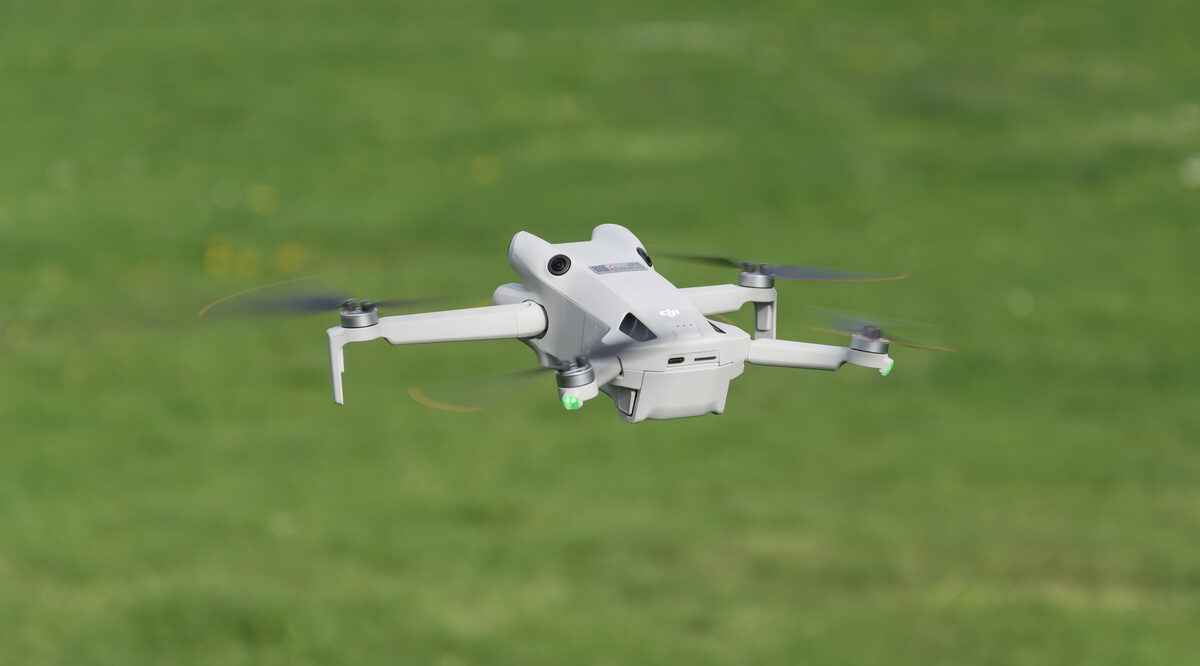
The FCC has not said, and the notice does not address drones directly. DroneXL's analysis rests on the program's definition of an IoT product in 47 CFR 8.203, which, according to the outlet, covers an internet-connected device with a radio, at least one sensor or actuator and a network interface such as Wi-Fi or Bluetooth, includes the mobile app and cloud backend needed to use it, and must be intended primarily for consumers. DroneXL says the rule excludes only medical devices regulated by the Food and Drug Administration and motor vehicles regulated by the National Highway Traffic Safety Administration. Aircraft are not excluded. Under that reading, a wireless camera drone sold to consumers and controlled through a phone app looks like an ordinary connected device for the purposes of the program.
DroneXL points to the Ring Drone Cam, a $249.99 indoor security drone that it says Amazon plans to ship on Jan. 27, as another product that would appear to fit. That conclusion is the outlet's interpretation of the regulatory text, not an FCC determination. UASFeed could not independently read the eCFR page for the rule, so the definition's wording here is attributed to DroneXL's reporting.
Why DJI and Autel are out
The eligibility question has a second half. Per DroneXL, Section 8.204 bars communications equipment on the FCC's Covered List from the program. It also bars products from companies named on that list, on the Commerce Department's Entity List or on the Pentagon's list of Chinese military companies. DroneXL reports that DJI and Autel are on all three lists and concludes that they cannot carry the mark.
The practical effect, as DroneXL describes it, is a voluntary trust label that other manufacturers can pursue but that the two biggest names in consumer drones cannot. The proposed rule text also links the label's status directly to the Covered List: if a certified product later ends up on it, the label would be replaced with the "does not have a valid certification" notice.
What a drone label would disclose
For drones, the most consequential part of the proposal may be the sensor disclosures. DroneXL reports that the page behind the label's QR code would show whether a product can record video, record audio and track its location, and that a camera drone would have to answer yes to at least the camera and location disclosures. On a flying camera with GPS, that information is directly relevant to buyers weighing privacy.
The renewal cycle is another point of contention. DroneXL notes that the proposed three-year renewal period is shorter than the five years an industry committee had recommended, and says the Bureau considers five years too slow to keep up with how fast threats to connected devices change.
On post-market surveillance, the proposal says each certifier would select for surveillance at least 3% of the products it certified or renewed in the prior calendar year. For a manufacturer, that means certification would not be a one-time hurdle.
What the FCC has not said
Several questions remain open. According to DroneXL, no product can be tested against the program yet, because the technical cybersecurity requirements will go out for comment in a later notice. The current proceeding covers the label, the registry and the administrative machinery around them, not the security criteria a product must meet.
The FCC has also not addressed drones specifically, and the notice does not say whether drone-specific criteria are planned. Until the technical requirements are published, it is unclear what "certified" would mean for a camera drone.
Why It Matters
U.S. drone policy toward Chinese-made aircraft has leaned on restriction, including the Covered List, which DroneXL says now includes foreign-produced drones and drone components. The Cyber Trust Mark offers a different tool, a positive signal on the box that consumers can look for. If drones are eligible, as DroneXL's reading suggests, manufacturers outside the barred lists would have a federally backed way to set themselves apart on security, and DJI and Autel would be unable to match it.
How useful that signal is depends on details still being decided: the sensor disclosures that would tell buyers whether a drone records video, audio and location; a renewal cycle shorter than the industry committee wanted; and technical requirements that have not yet been written. Drone makers, retailers and privacy advocates who want a say in how a flying camera is labeled have until the comment and reply deadlines to file in PS Docket No. 23-239.
Sources
- FCC Public Safety and Homeland Security Bureau public notice DA 26-1162, Cyber Trust Mark label, renewal and surveillance (PS Docket No. 23-239)
- Federal Register document 2026-23812, Cybersecurity Labeling for Internet of Things (API record, published Nov. 23, 2026)
- DroneXL: FCC Cyber Trust Mark label comments, DJI and Autel barred