
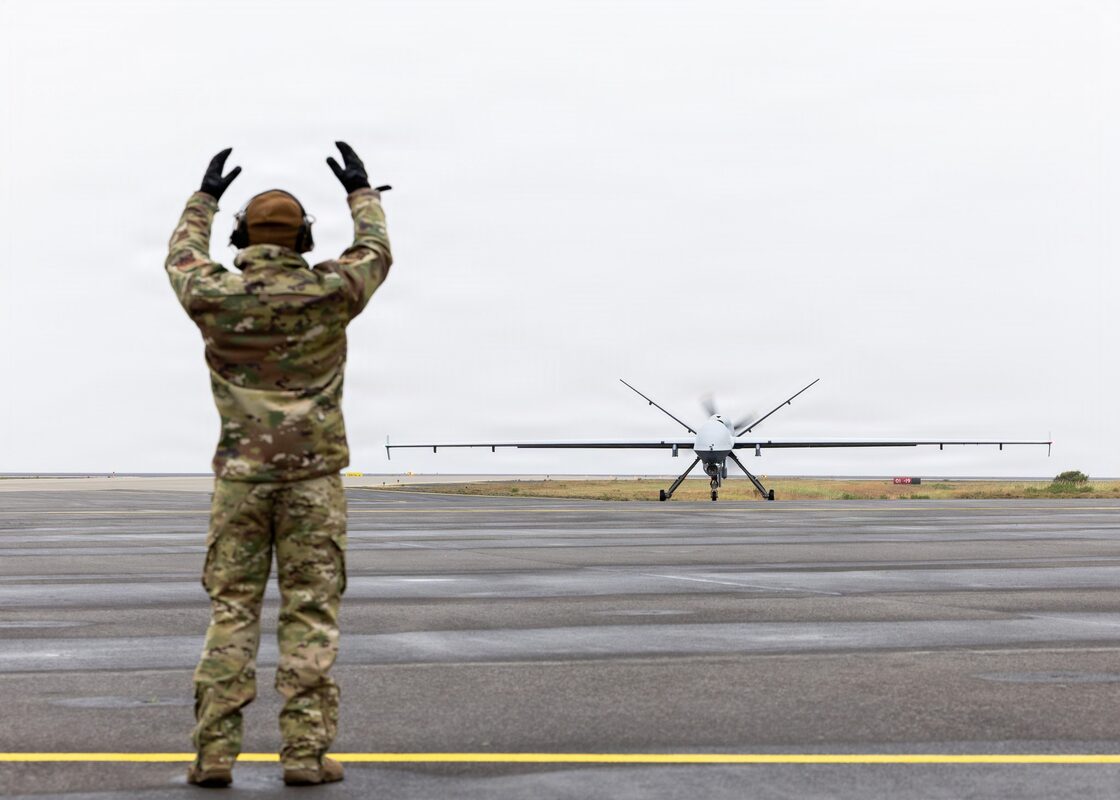
When the Federal Communications Commission closed the public comment window on its proposal to ban the import and sale of foreign-made "military-grade" drones, it got an answer few rulemakings ever receive: near-total rejection. An analysis of the docket by the Pilot Institute found that 3,770 of 3,824 readable filings — 98.6 percent — opposed the plan as written. On the narrower question of how the FCC defined "military-grade" equipment, the opposition was even more lopsided: 1,575 of 1,584 commenters who addressed the definitions, or 99.4 percent, called the proposed categories overbroad.
The record, which closed at midnight Eastern on September 2, drew 3,829 total comments. Only 16 filers expressed support for the proposal, according to a count published by DroneXL. The FCC's own tentative conclusion — that the economic and supply-chain impact of the ban would be minor — fared no better in the record: only one commenter agreed with it.
What the FCC Actually Proposed
The proposal traces back to a Public Notice, DA 26-758 (PS Docket No. 26-189), issued jointly by the FCC's Public Safety and Homeland Security Bureau and its Office of Engineering and Technology and published in the Federal Register on August 3, 2026. Titled "Seeking Comment on Prohibiting the Importation and Marketing of Certain Foreign-Produced Military-Grade Uncrewed Aircraft Systems (UAS) and UAS Critical Components for Non-U.S. Government, Including Those with Swarming Capabilities," the notice asked the public to weigh in on barring imports and sales of foreign-produced drones and drone components that the agency classified as "military-grade."
As described in the coverage of the docket, the categories at issue are broad by any commercial-drone standard: aircraft equipped with thermal sensors, LiDAR, docking stations, or spray equipment; aircraft with certain swarming capabilities or components designed to incorporate a defense article; and any drone weighing more than 55 pounds. That list sweeps in hardware that is standard equipment across large swaths of the commercial UAS industry — public-safety thermal imaging, surveying and mapping LiDAR payloads, automated dock-based inspection platforms, and agricultural spraying drones — rather than technology unique to defense applications.
Who Filed, and What They Said
The lopsided numbers were not simply a matter of a large industry mobilizing against a threat to its supply chain, though that dynamic was clearly present. The 99.4 percent figure on the definitions question in particular suggests that opposition wasn't confined to companies with foreign-sourced products on the line — commenters broadly agreed that whatever the FCC intended to target, the categories as drafted would not hit it cleanly. DJI, one of the manufacturers whose products stand to be most directly affected by the proceeding, submitted its own 26-page comment on September 2, the deadline day.
The small pool of support was notable for its composition. According to DroneXL's count of the 16 comments backing the proposal, supporters included the Foundation for Defense of Democracies, the Agricultural Drone Initiative, and Obsidian Sensors. Skydio, the U.S. drone maker that competes with Chinese-made platforms, also filed — but as an ex parte submission describing its domestic manufacturing build-out and urging the Commission to "calibrate any measures and allow reasonable transition periods," rather than an unqualified endorsement. Even DroneXL's own count flagged that distinction, noting the filing reads closer to the opposition's ask on timing than its "supporter" label suggests — one that matters given the compliance timelines any final rule would impose on manufacturers, integrators, and end users.
The Backdrop: An Evolving Covered List
The comment period doesn't sit in isolation. It's part of a broader regulatory track that includes the FCC's Covered List — the roster of communications equipment and services the agency has determined pose an unacceptable national security risk. In January 2026, the FCC separately issued guidance updating the Covered List to exempt certain drones from import and marketing restrictions, along with FAQs clarifying which aircraft fall outside the restricted categories. That parallel effort underscores that the agency itself has already had to walk back or clarify the scope of its restrictions once the practical effect of blanket categories became apparent — a pattern the comment-period backlash suggests could repeat with the military-grade proposal if it moves forward unchanged.
What Happens Next
A closed comment record doesn't produce an automatic outcome. The FCC can proceed to a final rule, narrow the proposed definitions, request additional comment on revised language, or shelve the item — and nothing in the record forces its hand procedurally. But a 98.6 percent opposition rate, with the near-unanimous 99.4 percent specifically targeting the "overbroad" framing of the definitions, is the kind of number that regulatory staff and the sitting commissioners are unlikely to wave off without some public accounting. The single commenter who agreed with the FCC's own economic-impact assessment leaves the agency with essentially no independent validation of that part of its analysis in the docket.
Why It Matters
The proposal, if adopted as drafted, would not primarily hit foreign military contractors — it would hit the same commercial drone ecosystem that public-safety agencies, farms, surveyors, and infrastructure inspectors rely on every day. Thermal sensors, LiDAR, dock stations, and spray rigs are commodity payload categories across the industry, and a great many platforms in that weight class and with that equipment are foreign-manufactured — DJI, the Chinese manufacturer whose products the proceeding would most directly affect, chief among them. A ban written around those categories, rather than around specific manufacturers or documented security risks, risks disrupting supply chains for firefighting departments running thermal-equipped quadcopters, survey firms running LiDAR-mapping drones, and agricultural operators running spray drones — none of which are "military-grade" in any operational sense. The scale of the opposition, and its consistency across the definitions question specifically, is a strong signal to the FCC that its categorical approach needs narrowing before a final rule, or the agency risks a rule that survives legal and political scrutiny about as well as its drafting survived public comment.
Sources
- FCC 'Military-Grade' Drone Proposal Draws Overwhelming Opposition in Public Comments — DroneLife
- FCC Drone Ban Comments Counted: 3,770 Against, 16 For — DroneXL
- Seeking Comment on Prohibiting the Importation and Marketing of Certain Foreign-Produced Military-Grade Uncrewed Aircraft Systems (UAS) and UAS Critical Components — Federal Register
- FCC Updates Covered List to Exempt Certain Drones and Releases FAQs — FCC